
NAKAWA,KAMPALA
When the Prime Minister Robinah Nabbanja was announcing the National Cleaning Day(NCD) that is scheduled for the last Saturday of every month,she emphasised that 70 per cent of diseases suffered by the population were linked to poor sanitation.
This meant that government’s decision to introduce the NCD was in the spirit of prevention is better than cure as part of the efforts to improve sanitation and protect public health.
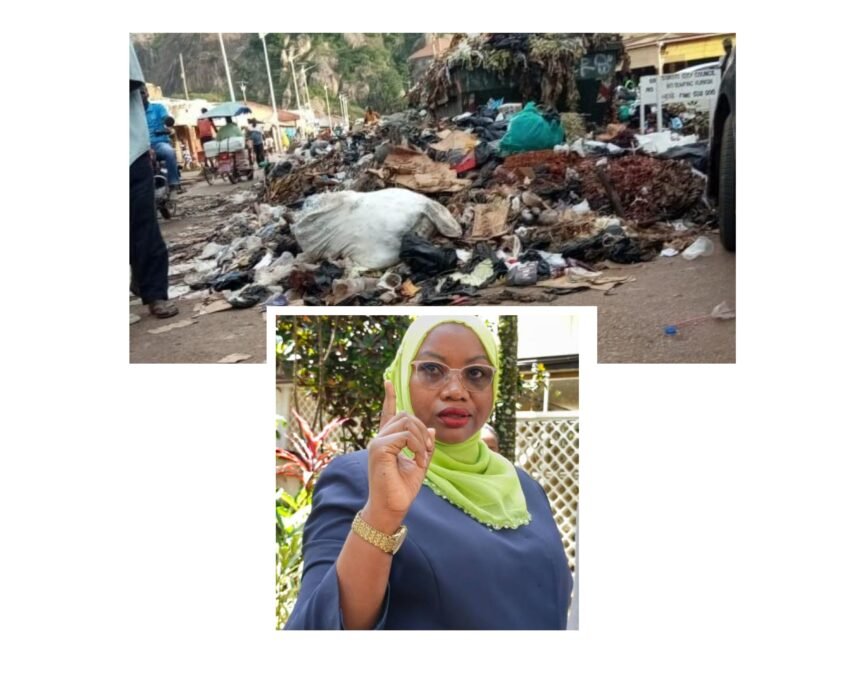
However, the first NCD exercise was followed by a garbage collection crisis, with Kampala’s streets and suburban junctions grappling with piles of uncollected waste for nearly a week.
A clear indicator that government was left with an egg on the face
The situation raised concerns among residents and businesses as garbage continued to rot along roadsides, particularly in areas close to homes and commercial establishments.
Speaking to residents in Nakawa following the KCCA Weyonje Campaign, KCCA Executive Director Sharifah Buzeki urged Kampalans to stop dumping or leaving collected garbage along roadsides and at junctions after the monthly cleaning exercises.
Buzeki in outmost shame acknowledged that KCCA struggled to promptly collect the waste generated during the first NCD, explaining that the authority was overwhelmed by the volume of garbage and had an inadequate number of collection trucks at the time.
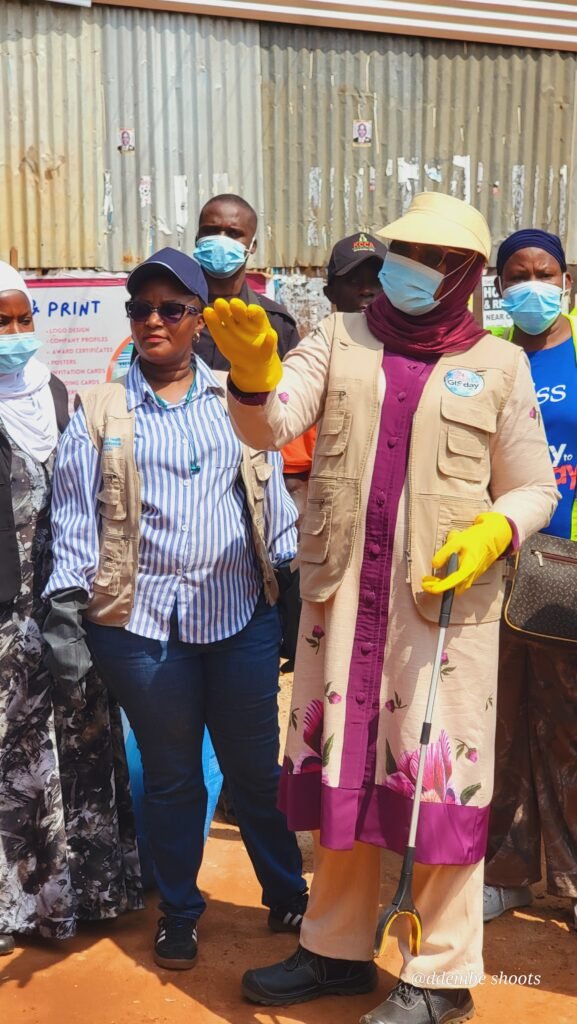
“We were overwhelmed by the amount of garbage because we did not have enough trucks to collect it,” Buzeki said.
To address the challenge, Buzeki launched the Bring-to-Truck campaign, under which residents who participate in the NCD will be required to collect and bag the waste generated during the exercise and keep it at designated collection points near their homes until garbage trucks arrive.
Buzeki also assured residents that KCCA had mobilised additional garbage trucks to avoid a repeat of the experience of garbage rotting from roadsides and junctions during the first NCD, which she said caught the authority off guard.
She added that newly elected LC1 leaders would be informed of the specific times when garbage trucks would arrive in their respective areas so that they could communicate the information to residents and ensure that waste is collected promptly.
Waste Separation Takes Centre Stage
During the Weyonje Campaign, KCCA Director of Public Health and Environment Dr Sarah Zalwango also sensitised residents on the importance of separating waste before collection.
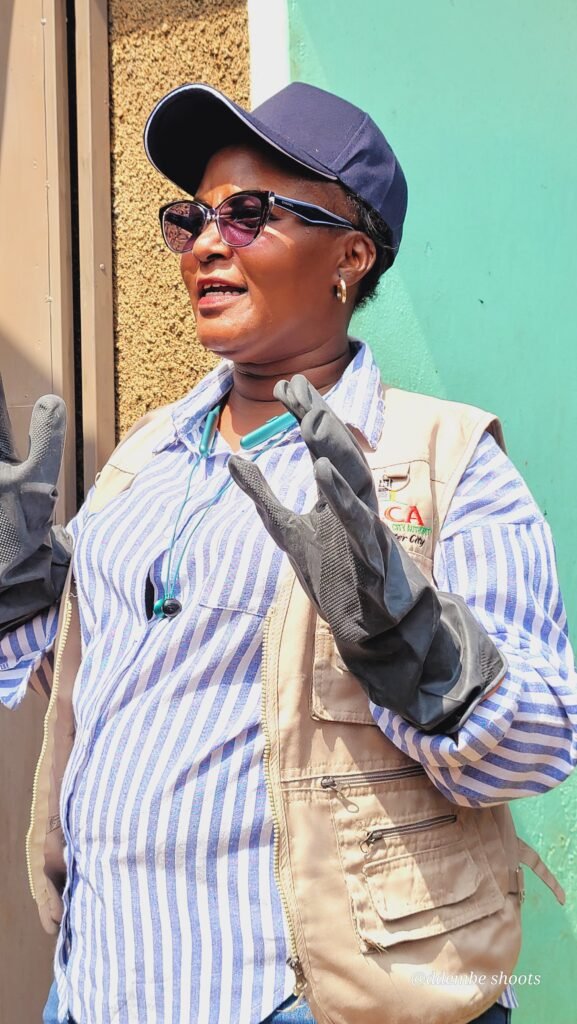
Zalwango explained that households should separate organic waste from plastics and other recyclable or inorganic materials.
She said proper waste separation is crucial for several reasons;
First, it helps protect the environment by reducing the amount of waste dumped in landfills, wetlands, drainage channels and other public spaces. Proper separation also helps minimise soil, water and air pollution.
Second, it makes recycling easier. Separated plastics, paper, glass and metals can be recovered and recycled into new products. However, when recyclable materials are mixed with food waste and other rubbish, they can become contaminated and more difficult to recover.
Waste separation also reduces health risks by protecting waste collectors and sanitation workers from dangerous materials such as broken glass, medical waste, chemicals and other hazardous substances.
It can further reduce flooding, particularly in Kampala, by keeping plastics and other solid waste out of drainage channels where they can cause blockages.
The practice also has the potential to create jobs and income through recycling and waste recovery, providing opportunities for waste collectors, recyclers and other actors in the circular economy.
Separating waste at the source can also reduce the cost of waste management, allowing authorities and waste-management companies to process different categories of waste more efficiently rather than treating all waste as general rubbish.
Organic waste, meanwhile, can be reused to produce compost or biogas, reducing the amount of biodegradable waste sent to dumping sites and limiting the harmful gases produced when such waste decomposes under certain conditions.
Zalwango also stressed that waste separation encourages responsible citizenship, as it makes residents more conscious of the waste they generate and their responsibility to keep their communities clean.
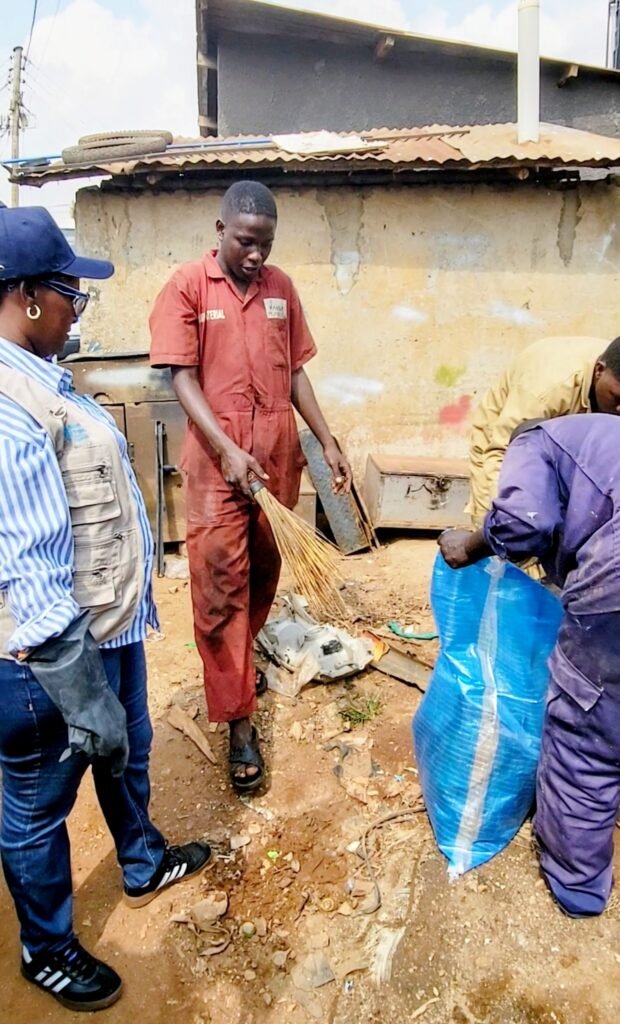
She concluded by emphasising that effective waste management begins at the household level and requires the active participation of residents.
KCCA Raises Concern Over Hostel Sanitation
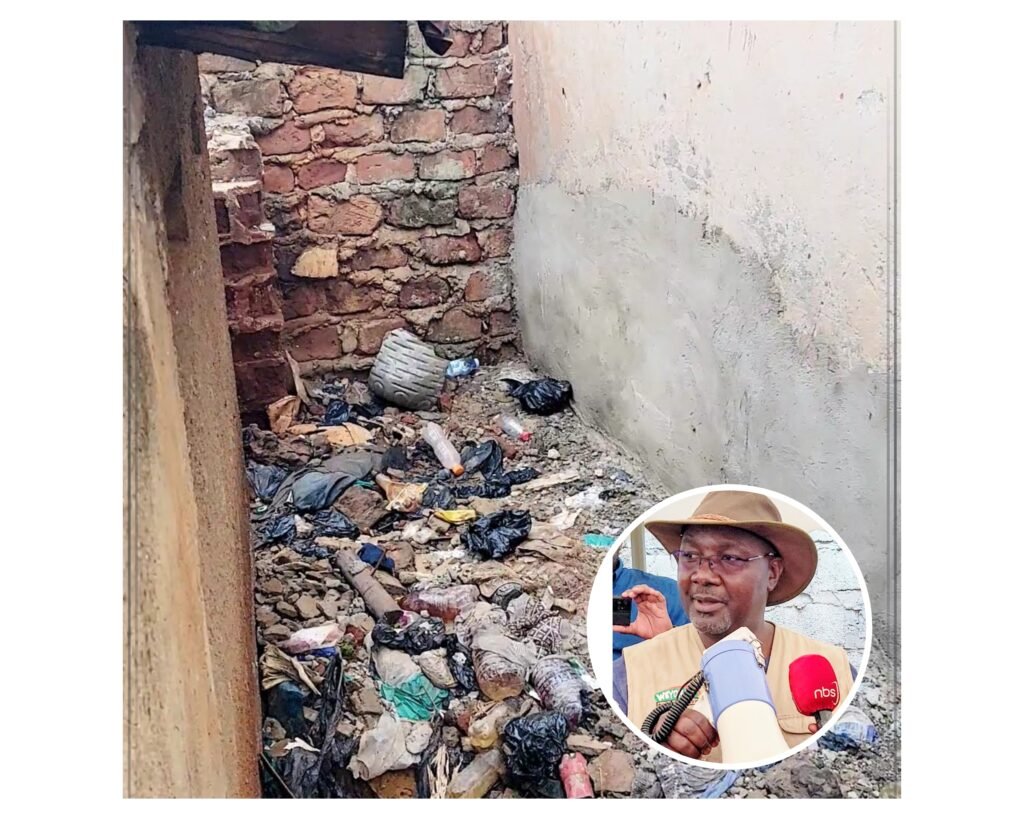
The Nakawa Weyonje Campaign was also attended by KCCA Deputy Executive Director Benon Moses Kigenyi, who expressed concern over sanitation conditions in some hostels occupied by students of Makerere University Business School (MUBS).
Kigenyi was surprised to find that some hostel landlords had not provided adequate toilets and drainage facilities for students.
He warned that inadequate sanitation and drainage infrastructure could expose students and surrounding communities to increased health risks.