

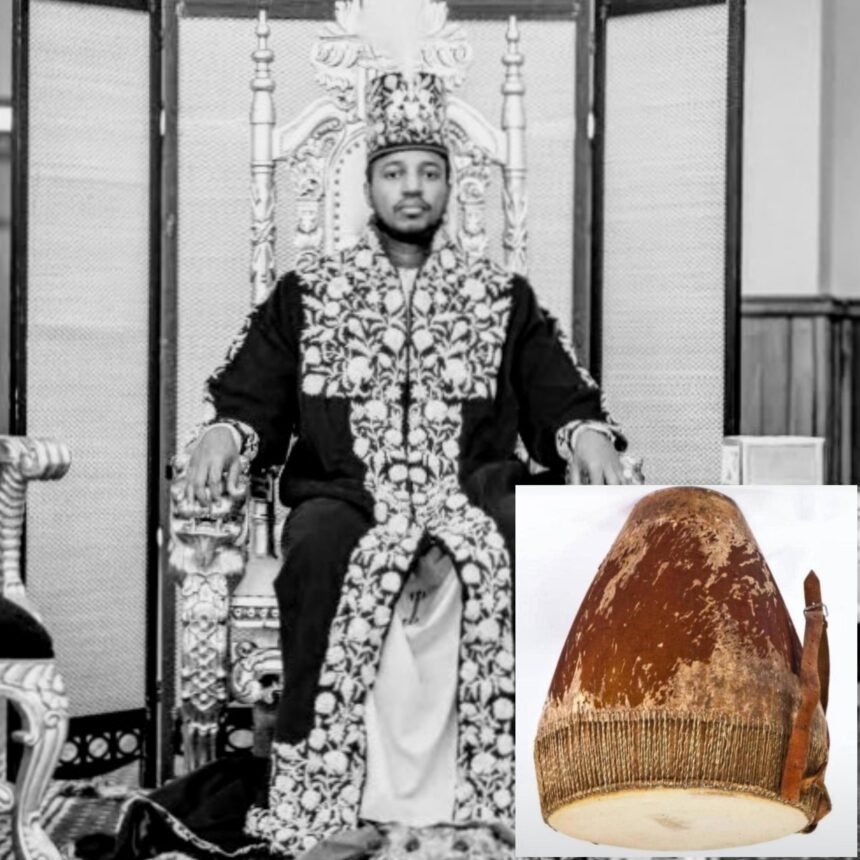
The Omuhikirwa(Prime Minister) of Tooro Kingdom, Rt. Calvin Armstrong Rwomiire Akiiki,has announced with profound sadness and a heavy heart the passing of His Majesty the Omukama of Tooro, King Oyo Nyimba Kabamba Iguru Rukidi IV.
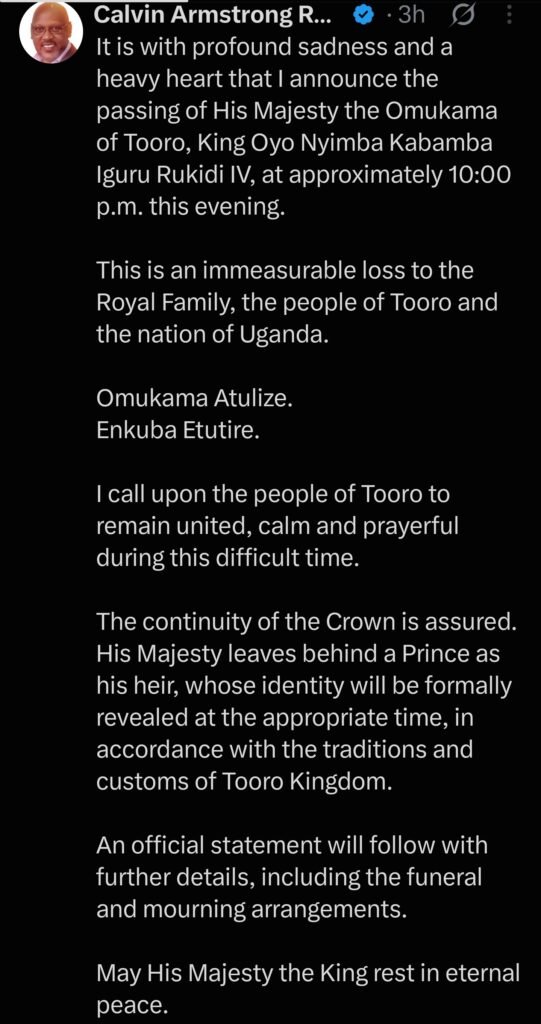
The 34-year-old monarch allegedly succumbed to brain cancer at approximately 10:00 p.m. in the United States, where he had reportedly been admitted to an intensive care unit for specialized treatment.
“Enkuba etutiire! Omukama Oyo atuulize!”
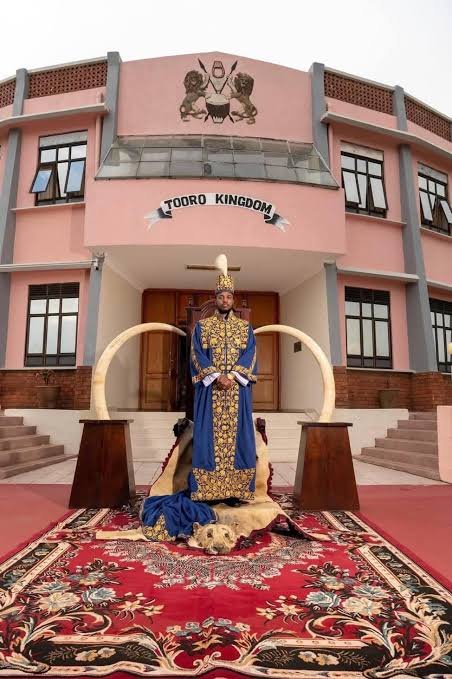
As the announcement spread and plunged the kingdom into grief, an old story resurfaced once again — the centuries-old legend of the royal curse said to haunt the Babiito royal lineage.
The legend of Nyinamwiru
According to Tooro and Bunyoro oral tradition, Nyinamwiru was a royal princess and the daughter of King Bukuku, an ancient ruler who lived before the rise of the legendary Chwezi dynasty, believed to have existed between the late 11th and 13th centuries.
Traditional seers warned King Bukuku of a terrifying prophecy: Nyinamwiru’s son would one day kill him and seize his kingdom.
Fearing the prophecy, Bukuku made a cruel decision. He ordered Nyinamwiru’s breasts to be cut off so she would never breastfeed a child, believing this would prevent the prophecy from being fulfilled.
Oral tradition says her severed breasts were thrown into caves near present-day Fort Portal.
The prophecy came true
Despite her isolation, Nyinamwiru later met Isimbwa, a mysterious prince in traditional folklore. She conceived a son named Ndahura.
Ndahura survived, grew into a powerful leader, and eventually fulfilled the prophecy by overthrowing Bukuku and becoming one of the founders of the legendary Chwezi dynasty.
Today, the famous Amabere ga Nyinamwiru Caves in Fort Portal remain closely associated with this story.
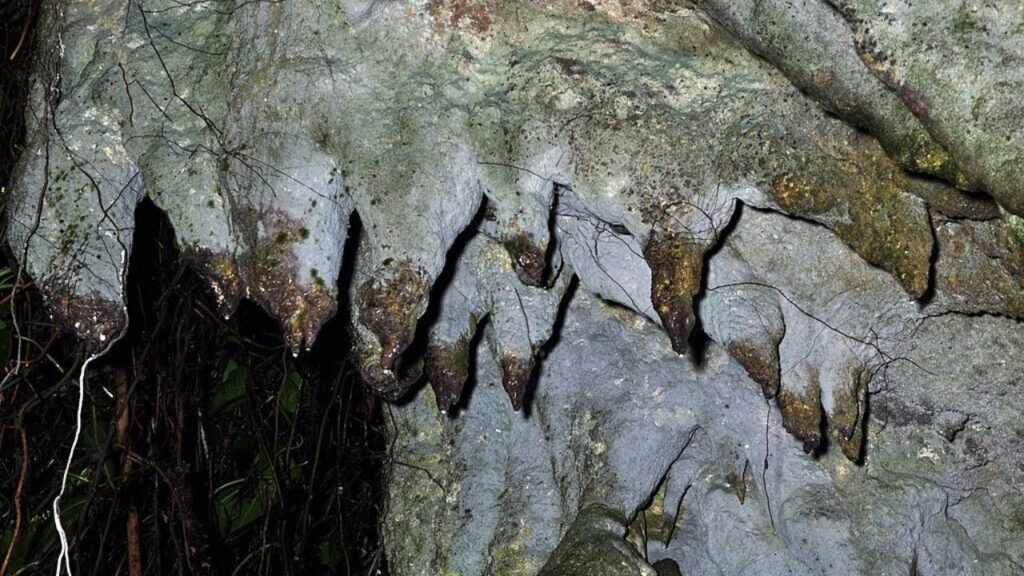
The white stalactites hanging from the cave roof are traditionally believed to be Nyinamwiru’s severed breasts turned into stone, while the milky-white water continuously dripping from the rocks symbolizes the breast milk she was denied giving her child.
Scientists, however, explain that these formations are naturally occurring calcium carbonate deposits.
How the legend became the “royal curse”
According to some elders, Nyinamwiru’s suffering became the foundation of a belief that future kings who inherited similar traits of greed, bloodshed and abuse of power would never enjoy long or peaceful reigns.
While this belief is widely shared in oral tradition, historians note that it is not established historical fact but a cultural legend passed down through generations.
The Babiito dynasty later experienced repeated succession wars, assassinations, exile and short reigns, strengthening the belief among many Batooro that the throne carried an ancient shadow.
Kings whose reigns strengthened the belief
Several Omukamas ruled for only brief periods before dying or losing power.
Omukama Ruhaga I, the second Omukama of Tooro, reigned for about one year, from 1865 to 1866, before his reign ended.
Omukama Katera ruled the kingdom from 1876 to 1877 before being removed when his elder brother Rububi Kyebambe II returned from Buganda and reclaimed the throne.
Omukama Daudi Kasagama Kyebambe III spent years in exile after Bunyoro forces invaded Tooro following his father’s death. He later returned with the support of Captain Frederick Lugard and was installed as Omukama in August 1891, ruling until 1928.
Omukama Patrick David Matthew Kaboyo Olimi III first reigned from 1965 to 1967 before Milton Obote abolished Uganda’s traditional kingdoms. He fled into exile in Kenya, later joined Uganda’s Foreign Service, and returned to reclaim the throne when kingdoms were restored in 1993. He died suddenly in 1995 at the age of 49.
These events kept the legend alive across generations.
Did King Oyo beat the curse?
When King Oyo was crowned in 1995 at just three years old, many believed he too would become another victim of the kingdom’s troubled history.
Instead, he went on to reign for more than three decades, becoming one of Tooro’s longest-serving monarchs in modern history. Many subjects came to believe his long reign had finally broken the ancient pattern associated with the Babiito throne.

However, his death at the age of 34 has revived debate among some elders, who believe the ancient curse still lingers over the royal family.
Others reject that interpretation, saying illness and historical events should not be confused with folklore.
Despite the fact that the Omukama has been a known city bachelor, the continuity of the Crown is assured because he has left behind a prince who will be revealed in accordance with the traditions and customs of Tooro Kingdom.