
KYANKWAZI,LUWEERO
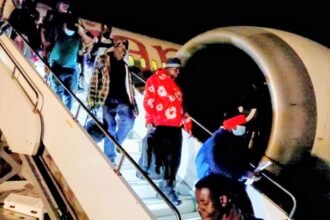
Hope is rising for the 1,030 Ugandans evacuated from South Africa after fleeing recent xenophobic violence, with the Government unveiling plans to finance businesses and help the returnees rebuild their lives.
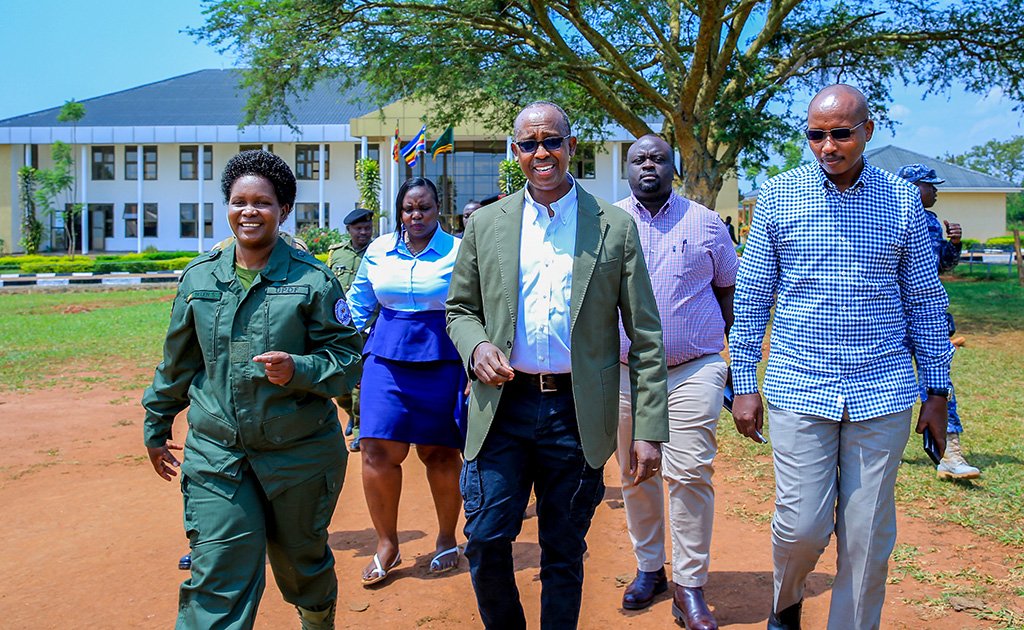
Speaking at the National Leadership Institute (NALI) in Kyankwanzi, where the returnees are undergoing rehabilitation and ideological orientation, Senior Presidential Advisor on Political Mobilisation Moses Byaruhanga announced that government is preparing an economic intervention that will organise the returnees into enterprise groups before extending financial support through existing government funding mechanisms.
“The government has resources. Our biggest challenge has never been a lack of money but poor organisation. Once these returnees organise themselves into productive groups, we shall support them,” Byaruhanga said.
He explained that although many of the returnees may not qualify under the Parish Development Model (PDM) because of existing programme requirements, government is designing alternative financing arrangements to help them establish sustainable businesses and livelihoods.
Byaruhanga also condemned the xenophobic attacks that forced hundreds of Ugandans to abandon businesses, jobs and property in South Africa, warning that such violence undermines Africa’s economic integration.
Calling for stronger regional cooperation, he argued that expanding African markets would create more jobs and reduce hostility towards foreign nationals.
“China has a population comparable to Africa’s, yet it functions as one market. Africa can equally create opportunities for its people through greater economic integration,” he said.
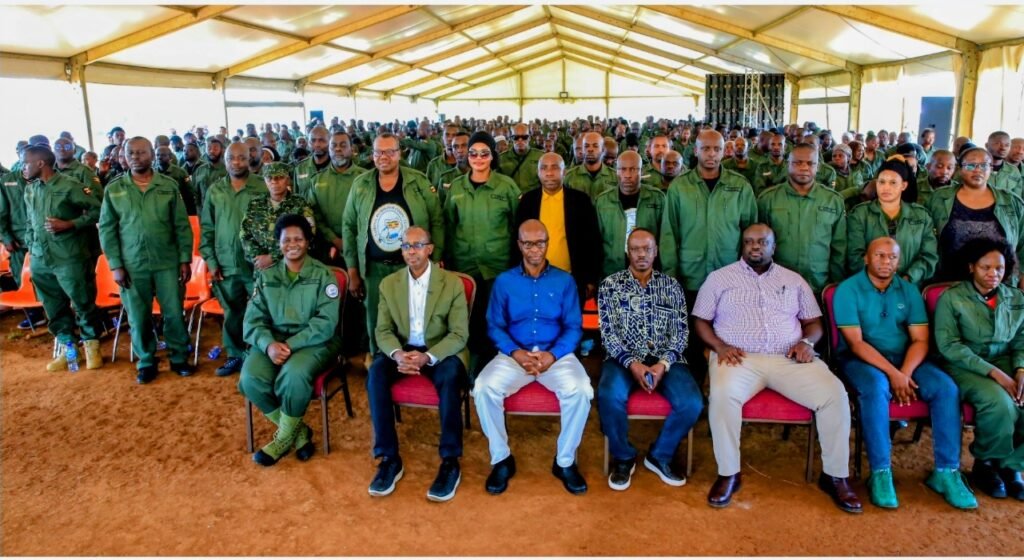
The economic recovery message comes as the 1,030 returnees continue a two-week rehabilitation programme at Kyankwanzi after arriving in Uganda in six phases following the government’s largest overseas evacuation operation.
According to Hellen Seku, the Commissioner of the National Secretariat for Patriotism Corps (NSPC) at State House, the programme has already transformed many participants who initially arrived traumatised after losing businesses, employment and homes in South Africa.
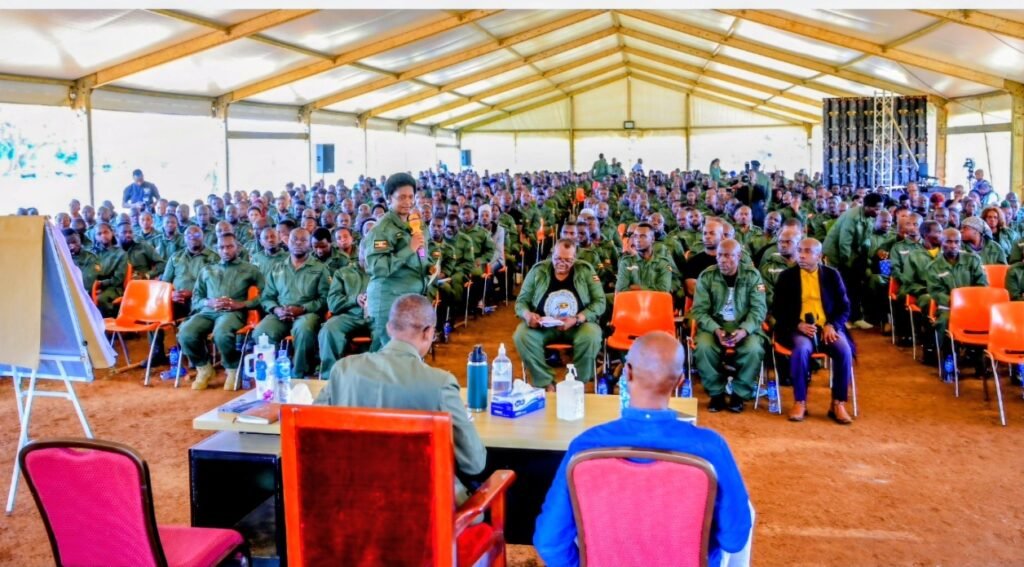
“Many came here feeling hopeless and uncertain about their future. Today, they appreciate the opportunities that exist in Uganda and believe they can rebuild their lives here,” Seku said.
She revealed that the programme currently has 438 men, 261 women and 331 children aged between zero and 16 years.
Seku added that the initiative has generated overwhelming interest from Ugandans who returned independently from South Africa and now want to undergo the same orientation.
“I have received numerous calls from Ugandans who came back on their own. After watching videos and testimonies from participants on social media, they are asking to be enrolled in future programmes,” she said.
Besides ideological orientation focusing on patriotism, leadership and national identity, the returnees are receiving healthcare, documentation services and guidance on wealth-creation opportunities.
Medical teams from Mulago National Referral Hospital, Kiboga Hospital and other government health facilities are treating participants who returned with illnesses and psychological trauma.
“We had people who could not even remember where they came from because of the trauma they had experienced. We appreciate the medical teams that have supported their recovery,” Seku said.
To enable parents to fully participate in classroom sessions, organisers also established a temporary nursery to care for hundreds of children who accompanied their families.
Also addressing the returnees, Senior Presidential Advisor on Special Duties and Chairperson of the Presidential Advisory Committee on Exports and Industrial Development (PACEID), Odrek Rwabwogo, challenged them to seize the opportunities available in Uganda instead of dwelling on the painful experiences they endured abroad.
Rwabwogo said Uganda’s economic future lies in industrialisation, value addition and affordable energy, noting that sectors such as aquaculture have enormous potential to create employment.
He observed that Uganda currently produces only about 130,000 metric tonnes of fish annually, far below its potential, yet fish farming, feed production, maize growing, soybean cultivation and agro-processing could generate more than 200,000 jobs.
“We can create more than 200,000 jobs through fish farming, feed production, maize growing, soybean cultivation and agro-processing,” he said.
Encouraging the returnees to embrace a fresh start, Rwabwogo urged them not to allow the xenophobic attacks to define their future.
“What does not kill you makes you stronger. Uganda offers you another opportunity to rebuild your lives,” he told the participants.
The orientation programme is expected to conclude on Friday, July 17, after which the returnees will begin transitioning into the government’s planned economic support initiatives.
Officials say the success of the Kyankwanzi programme has already inspired more Ugandans still stranded abroad to consider voluntary return, with many expressing interest in joining future rehabilitation and reintegration programmes.