


BY:JUMAH WITONZE KISEKKA
The future of East Africa will not be determined by the strength of individual nations acting in isolation but by how effectively we connect our economies, infrastructure, people and markets. Regional interconnection is no longer a political slogan,it is an economic necessity if the East African Community (EAC) is to realize its enormous potential.
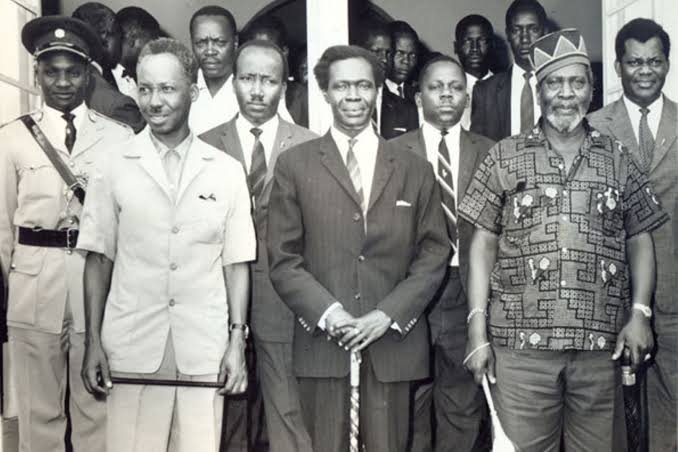
Mwalimu Julius Nyerere(L),Apollo Milton Obotee(M) and Mzee Jomo Kenyatta(R)
Today, the East African Community has a combined population of more than 330 million people, making it one of the largest regional blocs in Africa. Its combined Gross Domestic Product (GDP) exceeds US$340 billion yet trade among member states remains relatively low compared to other regional blocs around the world. Intra-EAC trade accounts for only about 15–20 percent of the region’s total trade, while the European Union records over 60 percent of trade within its member states. This gap should concern every policymaker.
THE ANSWER LIES IN THE STRONGER REGIONAL INTERCONNECTION
Roads, railways, electricity transmission lines, internet infrastructure, and cross-border trade systems are the arteries of economic growth. Every hour a truck spends waiting at a border crossing increases the cost of goods. Every community without reliable electricity loses opportunities for industrialization. Every business unable to access neighboring markets misses the chance to grow.
Encouragingly, East Africa has already demonstrated what regional integration can achieve. One Stop Border Posts between countries such as Uganda, Kenya, Rwanda, and Tanzania have significantly reduced border clearance times. Modern highways connecting capitals and major towns have boosted trade and tourism, while investments in regional electricity interconnectors are enabling countries to share power during shortages.
THE BENEFITS EXTEND BEYOND TRADE
According to the African Development Bank, Africa requires between US$130 billion and US$170 billion annually for infrastructure development, with a financing gap of up to US$108 billion. By pooling resources and jointly financing strategic regional projects, East African countries can reduce costs while maximizing returns.
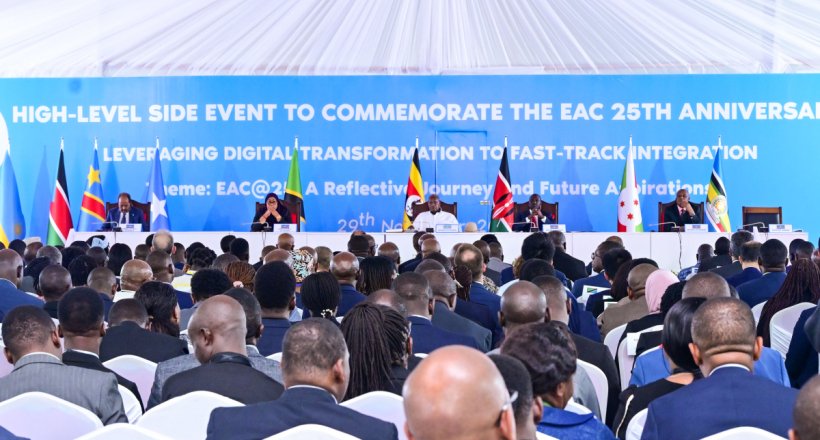
Interconnection also strengthens energy security. Countries with surplus electricity can export power to neighbors facing shortages. This improves reliability, lowers electricity costs over time, and encourages industrial investment across the region.
The digital economy equally depends on connectivity. Cross-border fibre optic networks and harmonized digital regulations would lower internet costs, stimulate innovation, and create employment opportunities for millions of young East Africans. A connected region allows entrepreneurs in Kampala to serve customers in Nairobi, Kigali, Juba, Dar es Salaam, Bujumbura, Kinshasa, and Mogadishu without unnecessary regulatory barriers.
Agriculture—the backbone of East Africa’s economy—also stands to benefit immensely. Farmers can access larger regional markets, reducing post-harvest losses and increasing incomes. Food produced in surplus areas can easily reach regions experiencing shortages, strengthening food security for the entire bloc.
Regional interconnection is equally important for peace and stability. Countries that trade, invest, and build infrastructure together are more likely to resolve disputes through dialogue rather than conflict. Economic interdependence creates shared interests that promote long-term cooperation.
The East African Community has already laid a strong foundation through the Customs Union, the Common Market, and ongoing infrastructure projects. What is needed now is faster implementation. Governments must remove non-tariff barriers, harmonize regulations, invest in transport and energy corridors, and embrace digital integration.
The private sector also has a vital role to play. Investors should view East Africa not as separate national markets but as one integrated market with hundreds of millions of consumers. Financial institutions, manufacturers, technology firms, and logistics companies all stand to benefit from deeper regional integration.
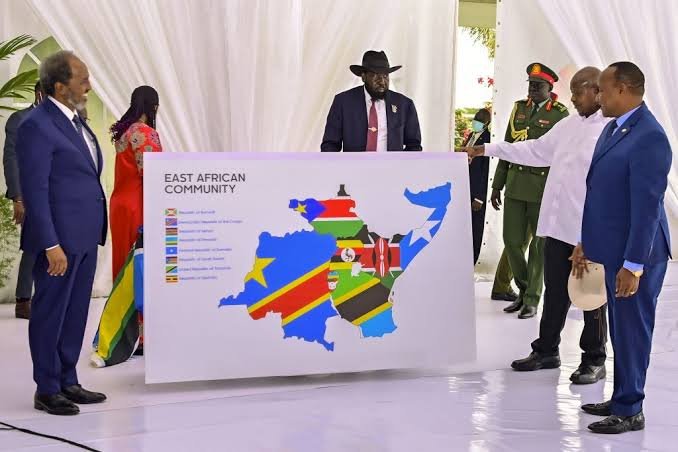
East Africa possesses abundant natural resources, a youthful population, strategic geographical positioning, and immense entrepreneurial potential. However, these advantages can only translate into prosperity if they are connected through efficient infrastructure and supportive policies.
The world is becoming increasingly interconnected. Regions that integrate will compete successfully, while those that remain fragmented risk being left behind.
For East Africa, regional interconnection is not simply about constructing roads or power lines. It is about building a future where businesses flourish, youth find employment, farmers access wider markets, investors gain confidence, and citizens enjoy improved living standards.
The time to accelerate East Africa’s interconnection is now. The dividends—in economic growth, regional stability, and shared prosperity—will benefit generations to come.

The Auther Uganda’s Special Envoy to Bahrain,Gomba NRM Chairperson,,PLU Greater Mpigi Co-ordinater and EALA Candidate